Exploring the psychology behind risk-taking in gambling behavior
Exploring the psychology behind risk-taking in gambling behavior
The Allure of Risk: Understanding the Thrill
Risk-taking in gambling behavior is deeply rooted in the thrill that comes with the possibility of winning. The excitement associated with uncertain outcomes can trigger a rush of adrenaline, creating a euphoric experience for players. This psychological response is often linked to the brain’s reward systems, where dopamine is released, reinforcing the desire to engage in gambling again. For many, the exhilaration of the gamble becomes almost addictive, leading them back to the tables or machines time and again. Discover Pinco Casino, a premier destination for online gaming enthusiasts, where you can enjoy thrilling games at pincocasino-canada.org/ that cater to beginners and experienced players alike.

The allure of risk also connects to the concept of loss aversion, where the fear of losing can be outweighed by the potential for significant gains. When individuals perceive a high-stakes situation, their excitement can cloud rational judgment, leading to increased betting. This psychological tendency can transform a casual game into a high-stakes affair, as players weigh the balance between potential rewards and losses differently, often favoring the rush of a possible win over the potential consequences.
Moreover, the social dynamics at play in gambling environments can amplify this thrill. Whether it’s the atmosphere of a bustling casino or the camaraderie felt during online gaming, these social elements can further embolden individuals to take risks. Engaging in group activities, where peers share in the same excitement, can normalize risk-taking behavior, creating an environment that celebrates wins while downplaying losses.
The Role of Cognitive Biases in Gambling
Cognitive biases significantly influence risk-taking in gambling, shaping how players perceive probabilities and outcomes. One common bias is the gambler’s fallacy, the belief that past events will influence future outcomes in random games. For instance, a player may think that a slot machine is “due” for a win after several losses, leading them to take greater risks in hopes of a turnaround. This fallacy can lead to an underestimation of the house edge, as individuals misinterpret randomness in their favor.
Additionally, the illusion of control is another cognitive bias affecting gambling behavior. Many players believe they can influence the outcome of games of chance through skill or strategy, despite the inherent randomness of such activities. This belief can lead to increased risk-taking, as individuals feel empowered by their perceived ability to change the odds in their favor. The more confident they become, the higher their bets, which can escalate their gambling activity and lead to larger losses.
Confirmation bias also plays a critical role in gambling. Players often focus on wins and ignore losses, reinforcing their belief in luck or skill. This selective attention can create a feedback loop where individuals continue to gamble, seeking the next win while dismissing the growing evidence of potential harm. Such biases not only affect individual gambling behavior but also contribute to broader trends in gambling culture, as the normalization of risk-taking becomes entrenched in shared narratives.
The Psychological Impact of Winning and Losing
The psychological impact of winning and losing in gambling significantly shapes an individual’s behavior. Winning can generate a sense of euphoria, creating a desire to chase that feeling again. This emotional high often overshadows the reality of losing and can lead to a dangerous cycle of gambling where players continue to wager more in hopes of recapturing that initial thrill. This cycle can become habitual, pushing individuals to gamble more aggressively than before.
On the flip side, losing can have profound negative psychological effects. Many gamblers experience regret, shame, and anxiety, especially when losses accumulate. This emotional distress can trigger a response where individuals attempt to recover their losses, a behavior known as “chasing losses.” In this state, rational decision-making often diminishes, leading to even riskier bets. The psychological toll of both winning and losing creates a complex emotional landscape that deeply influences gambling behavior.
Moreover, the concept of near misses can further complicate this emotional cycle. When players come close to winning—such as landing on multiple similar symbols in a slot game—they experience a surge of excitement, which can mislead them into believing they are closer to a win than they actually are. This phenomenon can encourage continued play and risk-taking, despite financial losses. The psychological manipulation inherent in gambling games, including the design of near misses, plays a crucial role in maintaining player engagement and promoting risk-taking behavior.
The Influence of Environment and Social Factors
The environment where gambling occurs can significantly impact risk-taking behavior. In a casino setting, the design and atmosphere are meticulously crafted to encourage prolonged play. The use of bright lights, engaging sounds, and even the layout of gaming tables create an environment that heightens excitement. Players are often lulled into a sense of comfort, making them more likely to take risks as they become immersed in the vibrant surroundings.
Social factors also contribute to gambling behavior. The presence of peers can create a competitive atmosphere that encourages individuals to take risks they might otherwise avoid. Social validation plays a crucial role, as players may feel pressured to continue betting or increase their stakes to match the behavior of friends or fellow gamblers. This dynamic can exacerbate risk-taking tendencies, as individuals often prioritize social acceptance over personal financial responsibility.
Furthermore, online gambling environments present unique challenges and social dynamics. Players can engage anonymously, which may lead to increased risk-taking since they lack face-to-face accountability. The anonymity can embolden individuals to take higher risks, especially with enticing promotions and bonuses designed to lure them in. As online platforms grow, understanding these social influences becomes essential for recognizing how environment and social interaction shape gambling behaviors.
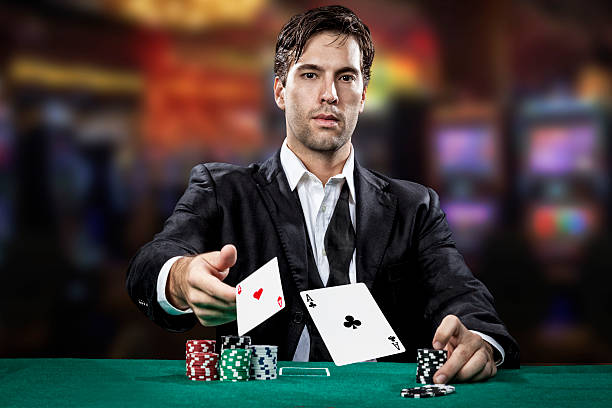
Discover the Excitement of Pinco Casino
For those eager to explore the world of online gambling, Pinco Casino offers a premier destination filled with excitement and opportunities. With over 2,600 games, including slots, live dealer experiences, and traditional table games, Pinco caters to a diverse range of preferences, making it an excellent choice for newcomers. The thrill of gambling is complemented by generous bonuses, such as a 100% welcome match and free spins, enhancing the potential for fun and engagement.
The user experience at Pinco Casino prioritizes security and accessibility. The platform operates in a licensed environment, ensuring that players enjoy their gaming adventures with peace of mind. Fast payout options, including cryptocurrencies and Interac, further streamline the experience, catering to the modern player’s needs. Additionally, 24/7 customer support ensures assistance is always available, making every visit to Pinco Casino as seamless as possible.
Embrace the thrill and excitement of online gaming at Pinco Casino, where every gamble offers a chance for adventure. With its rich selection of games and focus on user satisfaction, Pinco stands as a beacon for both new and seasoned players looking to elevate their gambling experience. Whether you’re drawn by the allure of risk or the excitement of winning, Pinco Casino has something for everyone.